Thinking about buying a home in Vienna, VA? The town feels established, connected, and easy to live in day to day. Below, you'll get a clear look at Vienna's housing mix, price point, commute options, and lifestyle. Let's dive in.
Why Buying a Home in Vienna, VA Stands Out
Vienna is a small incorporated town in Fairfax County that packs a lot into just 4.40 square miles. As of July 1, 2024, it had an estimated 16,562 residents, which gives it a compact feel compared with larger surrounding communities. That smaller scale is a big part of why Vienna feels more rooted and easier to navigate.
The town also offers a strong mix of daily conveniences. Vienna reports 73 miles of sidewalks, 156.62 acres of parkland, 12 parks, and 1,373 businesses. For you, that can mean more opportunities to build errands, recreation, and local outings into your normal routine instead of planning your whole day around driving.
Another major draw is location. The Town of Vienna describes itself as a traditional hometown about 15 miles from Washington, D.C. That gives Vienna central access without the scale of a larger urban district, a very practical middle ground.
Vienna's Housing Character
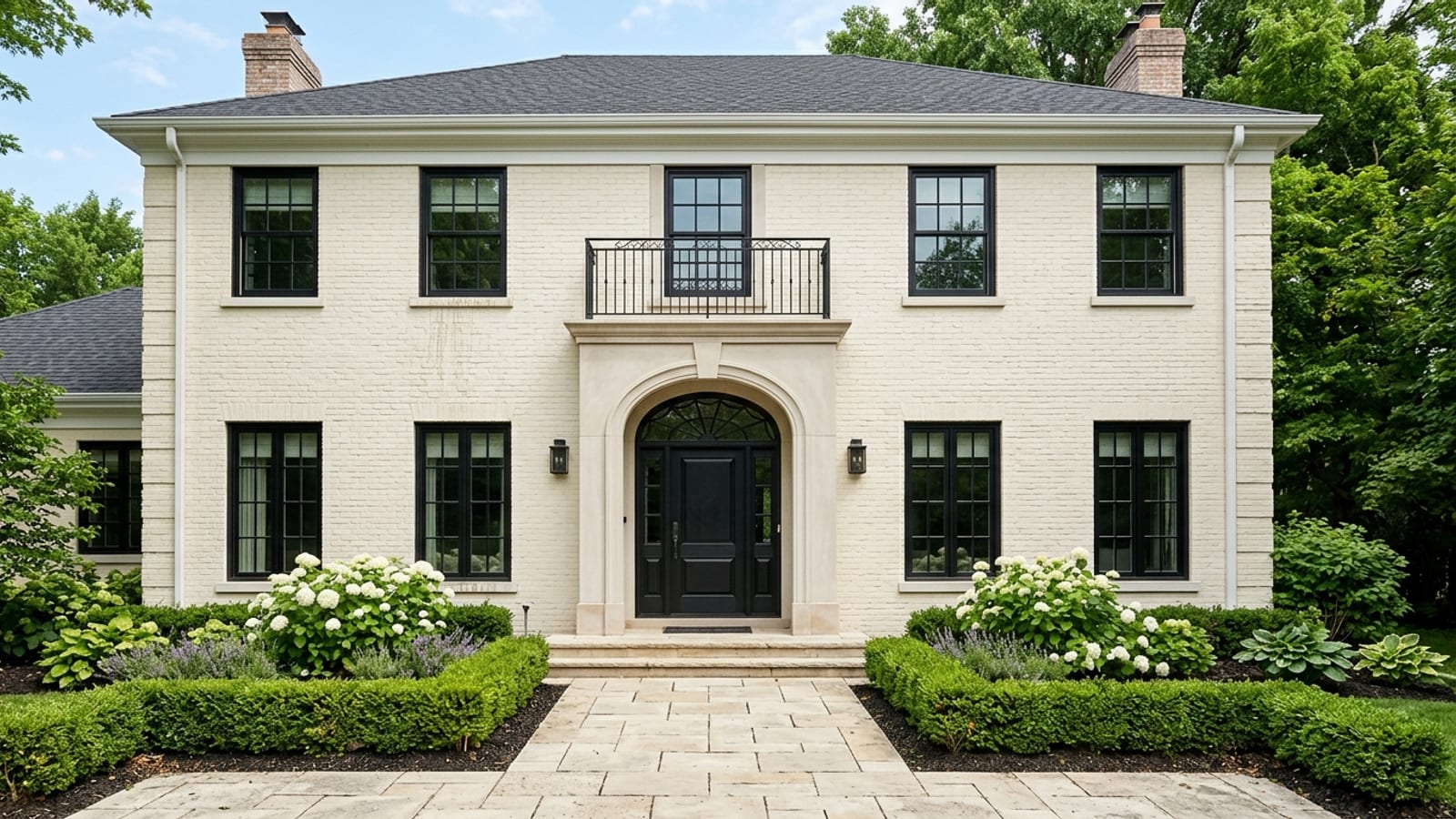
Vienna's housing has a very clear identity. The town's draft 2026 comprehensive plan says Vienna has preserved a predominantly single-family detached residential character for more than 70 years. In 2023, the town had 5,804 housing units, with about 80% detached, 9% single-family attached, and 11% multifamily.
That tells you something important right away. Vienna is not mainly a condo-heavy or apartment-driven market. Most of its homes are detached houses in a more traditional residential setting.
At the same time, the market is not one-size-fits-all. The same town planning document notes that townhomes, duplexes, and small-scale multifamily housing are generally concentrated near Maple Avenue and Church Street. Much of the apartment inventory is tied to the 300-unit Vienna Park Apartments complex.
What That Means for Buyers
Your options in Vienna depend a lot on your budget and how much property you want to maintain. Detached homes make up the majority of the market, but attached and multifamily options make it possible to live in Vienna without taking on a larger lot. Those homes generally mean a smaller, lower-maintenance setup in a high-demand area.
Supply is another factor. Vienna's draft plan says there is very little land available for additional development, so new housing supply tends to come through smaller infill projects rather than large new subdivisions. In practical terms, that means you should not expect a steady stream of brand-new inventory at every price point.
Vienna Home Prices at a Glance
Vienna is firmly an upper-tier market. Census QuickFacts reports an owner-occupied housing rate of 83.7% and a median owner-occupied value of $1,008,800. Other pricing sources in the research report point to a similar conclusion, with Zillow placing average home value at $1,179,673 as of March 31, 2026, and Redfin reporting a March 2026 median sale price of $1.3 million.
These figures are measured differently, but the direction is consistent. Vienna is a seven-figure housing market where updates, lot size, and distance to the town center can have a meaningful effect on price. If you are comparing Vienna with nearby alternatives, it helps to treat the town as a premium location rather than an entry-level market. It is also worth understanding how Fairfax County real estate tax factors into your total cost of ownership before making an offer.
Is Vienna Worth the Price?
Vienna has little new construction, few large-scale planned communities, and a limited supply of lower-cost housing. Its strengths are a central location, an established housing base, strong town identity, and access to amenities woven into daily life.
In Vienna, you are paying for both location and lifestyle. The town combines a compact footprint, an established residential pattern, and access to transit, trails, parks, and local businesses. That combination is the real value proposition.
Maple Avenue and Daily Life
A big part of Vienna's appeal comes from its town-center feel. The town's About page describes Maple Avenue as home to specialty shops, restaurants, family-run businesses, and small stores. Instead of a purely suburban strip experience, Vienna offers a core that feels more local and community-oriented.
That kind of setting can shape your everyday life more than you might expect. Being able to spend time in a recognizable town center, rather than relying only on regional shopping hubs, creates a different rhythm. That is part of what makes Vienna feel distinct from other Fairfax County options.
The Vienna Community Center adds to that sense of connection. Located in the heart of town next to the W&OD Trail, it acts as a civic anchor and gathering point. When you combine that with the town's parks and sidewalks, Vienna presents a lifestyle that feels active, walkable in parts, and locally grounded.
Parks and Recreation in Vienna
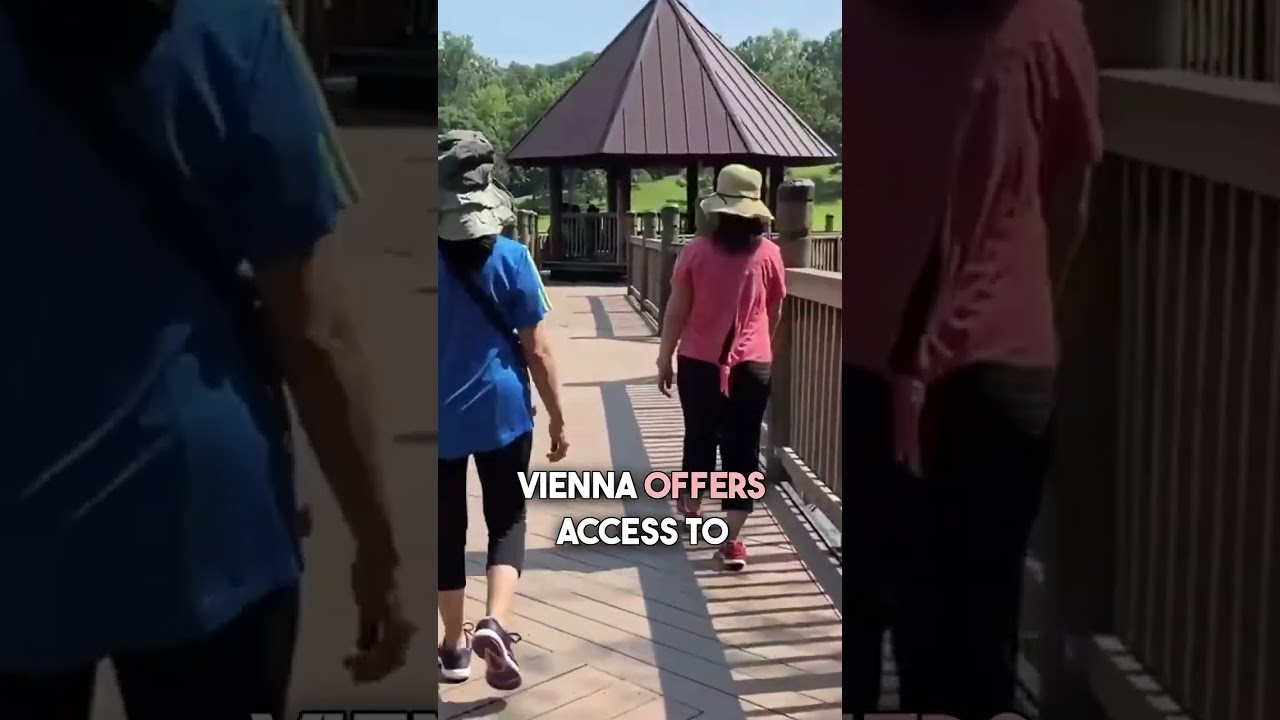
Vienna offers strong recreation options close to home. Nottoway Park in Vienna includes tennis, basketball, volleyball, picnic areas, a fitness trail, and a wooded nature path across 84 acres. That variety makes it easier to mix structured activities with casual outdoor time.
The W&OD Trail is another major lifestyle feature. NOVA Parks describes it as a 45-mile paved trail, and Vienna has an east access point at the Vienna Community Center. For you, that can mean easier biking, walking, and trail access without needing to leave town.
Vienna also sits within a broader multi-use trail network through the NOVA Loop materials referenced in the research. So while the town is compact, it connects well to nearby destinations and recreation patterns across the region. That adds a layer of convenience beyond the town's own parks.
Commuting From Vienna
Access is one of Vienna's biggest strengths. WMATA identifies Vienna/Fairfax-GMU as the final Orange Line stop in Virginia and an intermodal connection to I-66. Fairfax County also lists 5,169 parking spaces at the station, along with local bus connections.
That gives Vienna more flexibility than many suburbs with fewer transit options. Depending on where you work, you may be able to combine driving, Metro, and bus connections in a way that reduces some of the friction of a typical car-only commute. Census QuickFacts also reports a mean travel time to work of 26.3 minutes, which supports Vienna's profile as a centrally located inner suburb rather than a far-out edge market.
County transit materials in the research also show Vienna-linked routes to places like Tysons and broader regional connections such as Vienna to Reston. That regional accessibility is a real advantage of the location.
Vienna Compared With Tysons and Reston
Vienna is often best understood by comparing it with nearby alternatives. Fairfax County describes Tysons as a residential and employment center that has become an urban center. Reston Town Center presents itself as an outdoor venue with more than 50 retailers and 35 restaurants.
Vienna is different. Its core is smaller and more traditional, centered around Maple Avenue and Church Street, and its housing stock remains dominated by detached homes. Tysons and Reston offer a larger mixed-use environment with a more urban feel. For a broader look at how Vienna stacks up across the region, the best neighborhoods for luxury homes near Washington DC is a useful comparison.
Vienna, by contrast, offers a smaller-town setting with strong central access. It has a more established residential character and a more contained community feel.
Vienna's Market Profile
Vienna is an established home market with a clear identity. It has mostly detached homes, limited new supply, strong local amenities, and access to both Metro and outdoor recreation. The town feels settled rather than sprawling.
The trade-off is less housing variety at lower price points, and Vienna is not a larger urban-style district. Its limited land supply and predominantly detached housing stock create a more specific market profile.
Vienna is not trying to be Tysons, Reston, or a new-construction-heavy suburb farther out. It is a compact, high-amenity, high-price inner suburb with a strong town center and a long-established residential character.
Final Thoughts on Vienna
Vienna deserves a serious look. It offers a blend of central location, traditional housing character, local business activity, parks, trails, and transit access that is hard to replicate in exactly the same way elsewhere in Fairfax County. That mix feels both practical and deeply livable.
If you are weighing Vienna against other Northern Virginia communities, the smartest next step is to compare the town's real market profile with those alternatives. Price, home type, commute patterns, and amenities are the key points of comparison.
If you want tailored guidance on buying, relocating, or comparing Vienna with other Northern Virginia options, connect with Artur Guney for a clear, concierge-level plan built around your goals.
FAQs
Is Vienna, VA mostly single-family housing?
- Yes. Vienna's draft 2026 comprehensive plan says about 80% of its 5,804 housing units in 2023 were single-family detached homes.
Is Vienna, VA an expensive place to buy a home?
- Yes. Census QuickFacts reports a median owner-occupied value of $1,008,800, while other data in the research report places average or median home pricing above $1 million.
Does Vienna, VA have Metro access?
- Yes. WMATA says Vienna/Fairfax-GMU is the final Orange Line stop in Virginia and connects with I-66, parking, and local bus service.
What is daily life like in Vienna, VA?
- Vienna offers a town-center feel with Maple Avenue shops and restaurants, a community center near the W&OD Trail, multiple parks, and 73 miles of sidewalks.
How does Vienna, VA compare with Tysons and Reston?
- Vienna is not a larger urban district. The research suggests it is better known for a smaller-town feel, while Tysons and Reston offer a more mixed-use, urban-style environment.
What stands out about Vienna, VA?
- Vienna combines central access with a well-established residential setting, parks, trails, local businesses, and transit connections.