
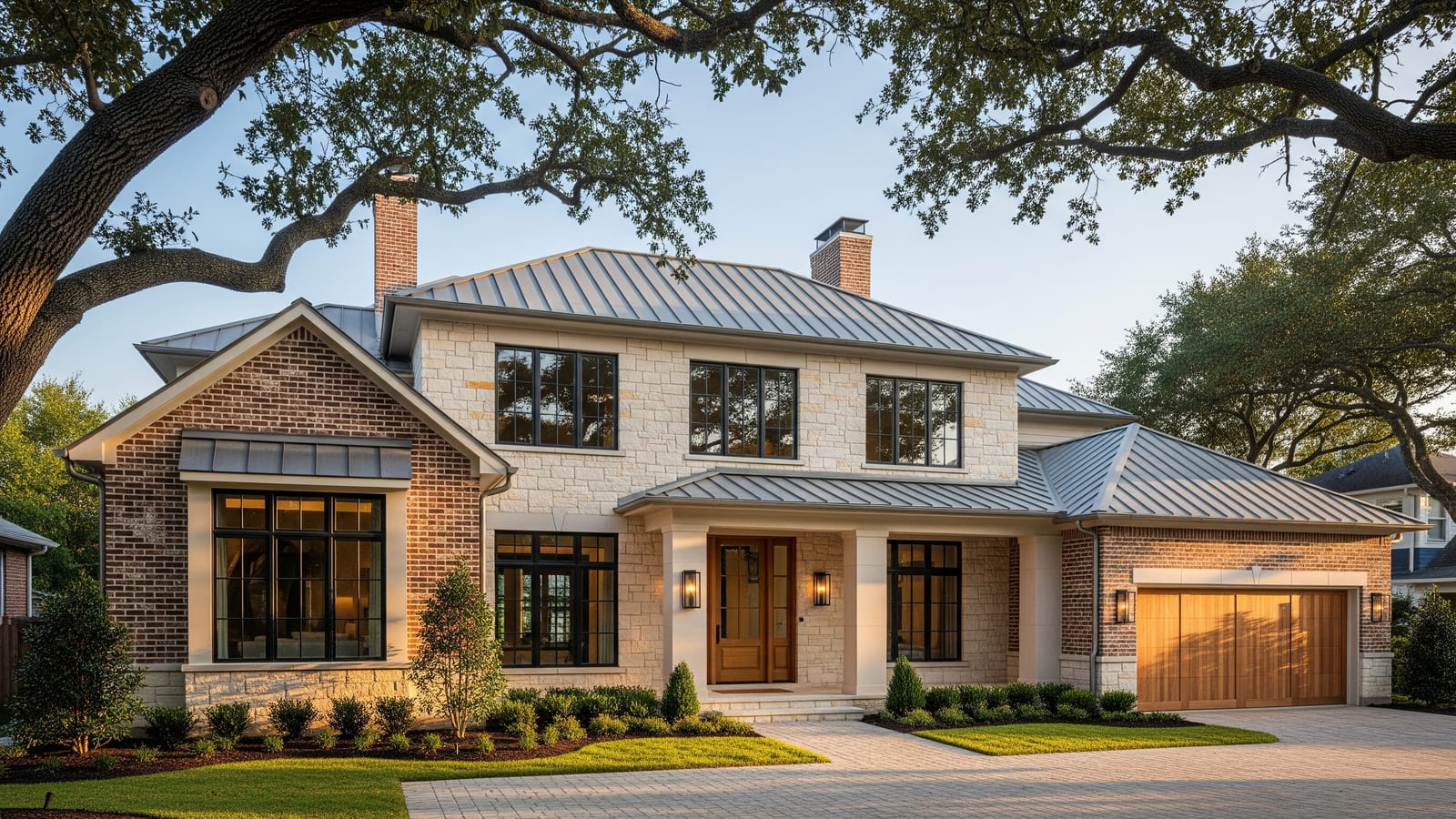
Thinking about new construction homes in Mount Vernon, VA but not sure where to start? You are not alone. Between lot choices, builder types, and permit steps, it is easy to feel overwhelmed. This guide breaks down your options, expected costs, and realistic timelines in the Mount Vernon area of Fairfax County so you can plan with confidence. Let's dive in.
What New Construction Homes Look Like in Mount Vernon, VA
Production communities
Production builders deliver neighborhoods with a fixed set of floor plans and a streamlined process. You choose a lot, pick a plan, and select finishes within set packages.
- Pros: predictable pricing and schedule, model homes to tour, standardized financing and warranties.
- Cons: limited customization unless you pay for upgrades, fewer lot choices as the community sells.
- Best for: buyers who want a simpler, one-stop process and a quicker path to move-in.
Boutique local builders
Boutique builders operate at a smaller scale, often on infill lots or small clusters of homes in established neighborhoods.
- Pros: greater design flexibility and personalized attention, often higher-quality detailing.
- Cons: longer timelines and higher per-square-foot costs, schedules can shift with small crews.
- Best for: buyers who want more say than production builders offer without going fully custom.
Full custom homes
A custom build starts with an architect and a clean sheet. You control layout, materials, and every finish.
- Pros: maximum control and tailored design, ideal for unique sites or luxury features.
- Cons: longest timeline and highest cost, more decisions and potential for change orders.
- Best for: buyers with specific design goals or complex sites who want a one-of-a-kind result.
Infill or teardown rebuilds
Many Mount Vernon blocks feature mid-century homes on desirable lots. Buyers sometimes purchase an older home, demolish it, and build new.
- Pros: access to established neighborhoods close to amenities and commuter routes.
- Cons: zoning and stormwater rules add complexity, neighbors may raise concerns, and off-site improvements can be required.
- Best for: buyers who prioritize location over the convenience of a new subdivision.
Spec homes vs. build-to-order
- Spec or inventory homes are already under construction or finished. You can move faster and sometimes negotiate.
- Build-to-order homes start after you sign. You get more choices but wait longer for delivery.
Choose based on your timing needs and how much customization you want.
What affects your timeline
Typical timing by path
Timelines vary by site, plan complexity, permitting, and weather. Here are common ranges:
- Spec or inventory homes: about 3 to 9 months from start, sometimes faster if complete.
- To-be-built in a subdivision: about 6 to 12 months from contract to closing.
- Boutique or custom builds: about 9 to 18 months from design through move-in.
- Teardown and rebuild: about 9 to 18 months, with permit and site work adding time.
Key milestones and durations
- Pre-contract and lot selection: weeks to months.
- Contract and design selections: 2 to 6 weeks for production plans; longer for custom.
- Permitting and approvals: several weeks to a few months depending on stormwater and land-disturbing reviews. Plan for corrections.
- Site prep and foundation: 2 to 8 weeks, including demolition if needed.
- Framing and shell: 4 to 12 weeks.
- Mechanical, electrical, plumbing rough-ins: 2 to 6 weeks.
- Insulation, drywall, interior finishes: 4 to 12 weeks.
- Final inspections, punch list, and closing: 2 to 6 weeks.
Local conditions that add time
Mount Vernon has a mix of small lots, older utilities, and stream or floodplain buffers. Zoning overlays and any HOA design rules can influence your plan, setbacks, and materials. These factors can extend design and permit steps and may require civil engineering or stormwater solutions.
Common delay risks and how to reduce them
- Permit backlogs or plan revisions: submit complete plans and respond fast to comments.
- Supply chain gaps: lock selections early and confirm lead times in writing.
- Weather: anticipate rain delays during excavation and framing.
- Late selections and change orders: freeze major choices early and follow a clear change-order process.
Contract terms that protect your schedule
Ask for clear milestone dates, how delays are handled, and any occupancy credits if the builder misses agreed dates. Production builders sometimes offer incentives or firm delivery windows. Boutique and custom contracts may be more flexible, so negotiate specifics.
What new construction costs here
Major cost drivers
Your budget will reflect land price, site work, foundation type, square footage, finish level, mechanical systems, landscaping, and required off-site improvements. Soft costs include design and engineering, surveys, soils reports, permit and impact fees, and financing costs if you use a construction loan. Upgrades like premium windows, appliances, or custom cabinetry can raise the final price beyond the base contract.
Typical price ranges in Northern Virginia
Costs run higher than national averages. Actual numbers depend on builder, plan, and site:
- Production and inventory homes: roughly $200 to $350+ per square foot.
- Boutique and custom homes: roughly $300 to $500+ per square foot.
- Luxury custom: $500+ per square foot on complex or high-end builds.
New builds often carry a premium over comparable resale, commonly about 10 to 25 percent or more depending on neighborhood, builder reputation, and lot quality. In sought-after Mount Vernon locations, the lot itself can represent a significant share of value.
Budget for upgrades and hidden items
Plan a 5 to 10 percent contingency for upgrades and surprises, and consider:
- Permit, impact, and utility tap fees.
- Stormwater, erosion, or off-site curb and sidewalk requirements.
- Landscaping and hardscape beyond basic seed and straw.
- HOA initiation fees and ongoing dues in new subdivisions.
Financing choices
- Construction-to-permanent loans let you fund the build and then convert to a standard mortgage.
- Many production builders have preferred lenders. Compare rates and programs before you commit.
- If you are selling a current home, you may need a bridge solution.
- Watch appraisal risk. Appraisals rely on recent sales. If your new build is priced above nearby comps, the appraised value could cap the loan amount.
Local rules, permits, and site realities
Fairfax County zoning, conservation overlays, and any historic protections may limit lot splits and home size on certain Mount Vernon streets. Most homes connect to public water and sewer, but verify service on infill lots. Some projects require curb, sidewalk, or stormwater improvements, which affect both budget and timeline.
For current plan review times, zoning maps, and permit steps, check the county’s planning and land development resources. For pricing trends and inventory, review regional market reports. If you are compiling a builder list, consult local builder associations and confirm all licensing before you engage.
How to vet builders and warranties
Verify licensing and insurance
In Virginia, builders must hold the appropriate contractor license class and business registration. Confirm active status with state licensing authorities. Ask for a certificate of insurance that includes general liability and workers’ compensation.
Request a complete package
- Recent portfolio and addresses of completed homes. Visit when possible.
- Names of key subcontractors or sample subcontracts for major trades.
- A detailed written contract with inclusions, allowances, payment schedule, change-order rules, and remedies for delays.
- A schedule of finishes, with allowances and lead times to keep selections on track.
- The warranty document, including what is covered, for how long, and the claim process.
- Lien-release protections and clear definitions of substantial and final completion.
Understand the warranty
Industry practice often follows a 1-2-10 pattern: about 1 year for workmanship and materials, about 2 years for systems like electrical, plumbing, and HVAC, and about 10 years for structural coverage. Terms vary by builder. Some enroll homes in third-party structural programs. Get the exact documents before closing and know how to submit claims and deadlines.
Use third-party inspections
Municipal inspections check code compliance, not quality details. Hire an independent inspector at key milestones such as pre-pour, pre-drywall, and final. For custom builds, consider an architect or owner’s representative to review plans and specs.
A realistic 12-month roadmap
Use this sample plan to frame expectations. Your builder and site will refine the schedule.
- Months 1–2: Define budget and goals, explore financing, shortlist neighborhoods and lots. Vet builders and visit recent projects.
- Months 2–3: Choose your path (production, boutique, or custom). Sign contract. Begin selections or design.
- Months 3–5: Submit for permits. Address plan comments. Order long-lead items.
- Months 5–6: Site prep and foundation. Schedule pre-pour inspection.
- Months 6–8: Framing and mechanical rough-ins. Schedule pre-drywall inspection.
- Months 8–10: Insulation, drywall, and interior finishes. Confirm punch list plan.
- Months 10–12: Final inspections, punch list work, certificate of occupancy, and closing. Set up warranty contacts and service schedule.
How we help you build with confidence
With new construction, details matter. You want a partner who blends local market knowledge with rigorous process. Here is how we support you from first call to final walkthrough:
- Site and community fit: match your goals to lots, plans, and timelines in the Mount Vernon area.
- Builder due diligence: verify licensing, review contracts and warranties, check references, and tour recent work.
- Budget clarity: align selections with allowances, set a realistic contingency, and flag hidden costs early.
- Negotiation: secure incentives, clarify milestone dates, and protect your interests on change orders and delivery.
- Oversight: coordinate independent inspections and track progress against plan.
- Relocation support: manage communication and milestones if you are out of state. We can communicate in English, German, Turkish, or Polish.
Ready to plan your build the right way? Connect with Artur Guney for a focused new-construction consult tailored to Mount Vernon and greater Fairfax County.
FAQs
How long does a production home take near Mount Vernon?
- Many production builds run about 6 to 12 months from contract to closing, faster if you buy a finished spec home.
What premium should I expect for new vs. resale?
- New construction often carries about a 10 to 25 percent premium over comparable resale, depending on location, builder, and finish level.
Do I need a construction loan for a to-be-built home?
- For custom or boutique builds, a construction-to-permanent loan is common. Some production inventory homes can use a standard mortgage.
How much should I budget for upgrades and surprises?
- Plan a 5 to 10 percent contingency on top of your base price, plus room for permit and utility fees, stormwater items, and landscaping.
Is a spec home or build-to-order better for me?
- Choose a spec home for faster move-in and cost certainty. Choose build-to-order if you want more design control and can wait longer.
What warranties do new homes in Virginia usually include?
- Many builders follow a 1-year workmanship, 2-year systems, and 10-year structural pattern, but you must review the exact written warranty.
How long do permits take in Fairfax County?
- Simple residential permits can be issued in weeks, while projects with land-disturbing or stormwater reviews may take several months.