
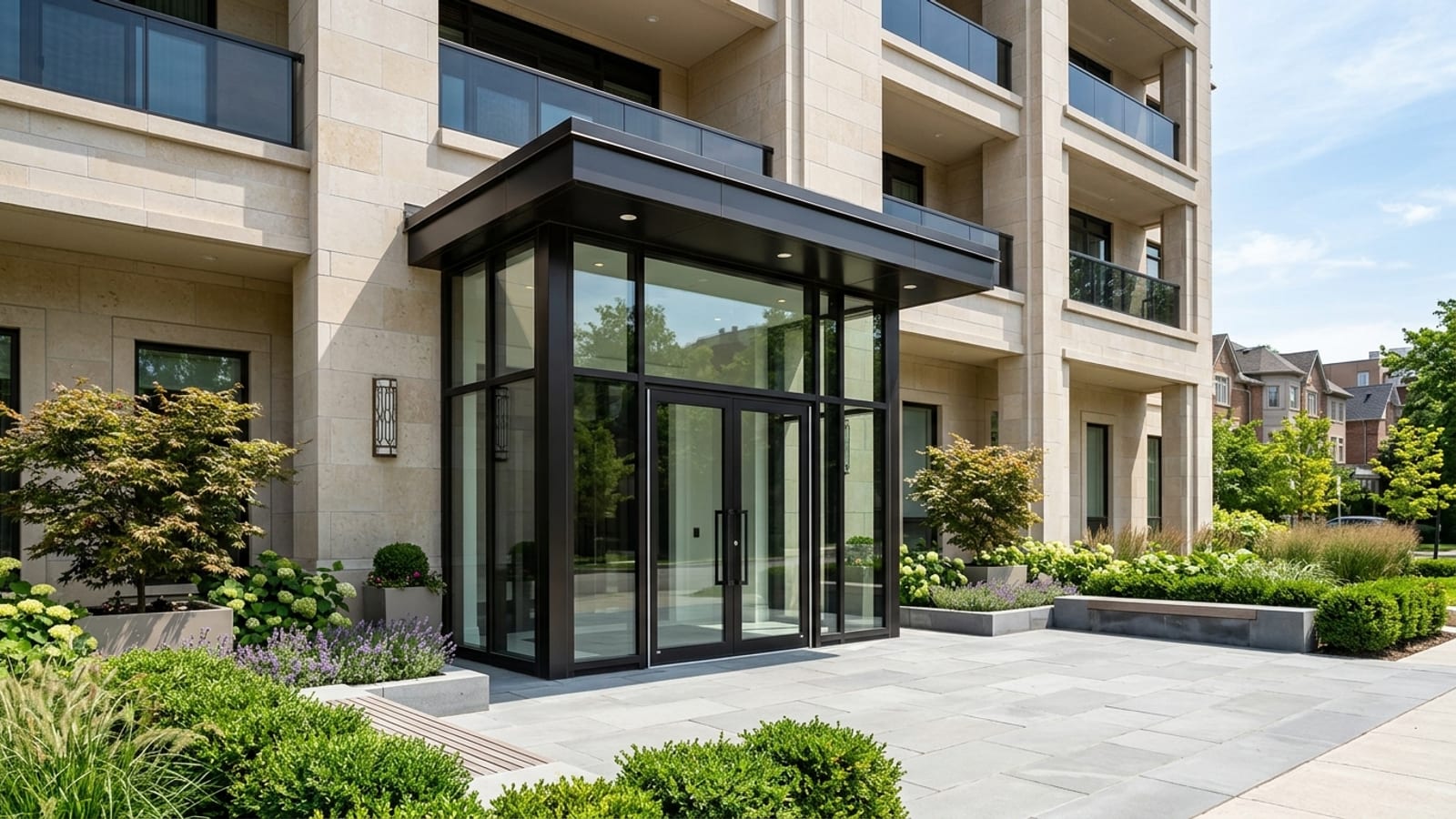
Thinking about Fairfax VA rental property investing for the first time? You are not alone, and you are smart to start with the numbers and rules before you make an offer. Fairfax can be an appealing place to own a rental, but it is also a market where conservative planning matters. This guide will walk you through local pricing, rent expectations, City of Fairfax rules, and the basics of leasing so you can move forward with more confidence. Let's dive in.
Why Fairfax VA rental property investing gets investor attention
Fairfax sits in a part of Northern Virginia where housing costs are high and demand for rentals often stays steady. That can make it attractive if you want long-term ownership in a well-established market.
At the same time, you should expect a higher cost of entry than in many other areas. Zillow reports an average Fairfax home value of $780,777, while Redfin reported a February 2026 median sale price of $555,750 and roughly 30 days on market. Those figures come from different sources and measure different things, so it is best to treat them as a range, not a single exact benchmark.
Start with location boundaries
Before you look too closely at any rental strategy, confirm whether the property is in the City of Fairfax or elsewhere in Fairfax County. That distinction matters because the City of Fairfax has its own rental licensing, zoning, and occupancy rules.
The city makes that clear on its zoning and development pages. If a property is inside city limits, you will want to underwrite the deal with those specific city requirements in mind from the start.
What rents look like in Fairfax
If you are trying to estimate rental income, think in ranges, not perfect numbers. Current Fairfax rent benchmarks generally land in the low-to-mid $2,000s for smaller units.
According to Apartments.com rent trends, the average Fairfax rent is $2,102, with about $2,102 for a one-bedroom and $2,527 for a two-bedroom. The research also notes Virginia Housing payment standards of $2,261 for a one-bedroom and $2,545 for a two-bedroom, which can serve as a more conservative planning anchor.
For first-time investors, that means many smaller rental properties may pencil out around $2,000 to $2,500 per month, while larger homes may rent for more depending on condition, location, and amenities. The key word is may. Rent is never guaranteed, and optimistic projections can quickly lead to disappointment.
Property types that fit a first rental
In the City of Fairfax, common first-rental property types include single-family homes, townhouses, and apartments rented in part or in full for 30 consecutive days or more. If you are new to rental ownership, these property types are often easier to understand and compare than more specialized investment assets.
One important local rule stands out. The City of Fairfax states that short-term rentals are not permitted. If your plan involves vacation-style or short-stay renting, that is a sign to pause and verify the property location and permitted use before moving forward.
Underwrite conservatively
This is where many first-time landlords get into trouble. In Fairfax, purchase prices can be high relative to achievable monthly rent, so the margin for error may be smaller than you expect.
A smart underwriting approach includes:
- Expected rent based on current local ranges
- Property taxes
- Mortgage payment, if financed
- Vacancy allowance
- Repairs and maintenance
- Insurance
- HOA or condo fees, if applicable
- Leasing or management costs, if you hire help
- Cash reserves for unexpected issues
The research points to an important takeaway: Fairfax may support rental ownership, but it should not be treated as a guaranteed strong cash-flow market from day one. Conservative assumptions and healthy reserve funds are usually safer than trying to make the numbers work on a best-case scenario.
Know your property tax baseline
One of the clearest local expenses is real estate tax. The City of Fairfax FY 2027 real property tax rate is $1.0725 per $100 of assessed value, up from $1.055 in FY 2026, and the city assesses real property at 100% of fair market value.
That gives you a useful planning baseline. At that city rate, a $300,000 property would owe about $3,218 per year in property taxes, while an $800,000 property would owe about $8,580 per year before you add any mortgage, vacancy, maintenance, or association costs. For a deeper look at how Fairfax County real estate tax works for homeowners and buyers, it is worth reviewing the full breakdown before you finalize your numbers.
If you plan to build an addition or complete a substantial improvement, the city notes that supplemental assessments can apply. In other words, your tax picture may change after major work.
Budget for licensing and compliance
If your property is inside the City of Fairfax, local compliance is not optional. Before listing a property for rent, owners need both a City Business License and a Rental Certificate of Compliance.
The city says the certificate is required to list the property for rent and must be renewed every four years. The city also states that every rental property is required to have a City Business License, and business licenses renew annually by March 1. New businesses must apply within 30 days of starting operations, and business license taxes are typically based on gross receipts.
That may sound administrative, but it has real planning value. You do not want to reach the finish line on a purchase, find a tenant, and then realize your paperwork timeline is off.
Understand occupancy rules early
Occupancy is another area where local rules matter. In the City of Fairfax, a rental may house no more than one family plus three unrelated people.
The city also states that if the owner lives in the rental, no rental permit is required, and owner-occupied rentals must share common kitchen and living areas. You can review those details on the city's rental property maintenance page.
For an investor, this matters because occupancy assumptions can affect your leasing plan and income expectations. It is much better to confirm the allowed setup before buying than to discover a limit after closing.
Plan for repairs and permits
Almost every rental needs some work before it is ready for the market. Even light improvements can affect your startup budget.
If your purchase plan includes remodeling or repairs in the City of Fairfax, the city's code administration fee examples show remodeling permit fees of $90 plus 1% of project cost over $1,000. That does not mean every project will cost the same, but it is a useful reminder that renovation budgets should include both construction costs and permit-related costs.
Follow Virginia lease rules
Most residential leases in Virginia fall under the Virginia Residential Landlord and Tenant Act. The state's landlord-tenant handbook says landlords should offer a written rental agreement, provide the Statement of Tenant Rights and Responsibilities, give a copy of the signed lease within 10 business days, disclose all charges on the first page, and accept at least one payment method without extra fees.
For a first-time landlord, that means your leasing process should be documented and consistent from the beginning. Clear paperwork does more than keep you organized. It can reduce confusion, protect both parties, and create a smoother experience for everyone involved.
Know the security deposit rules
Virginia also sets clear limits on security deposits. Under the state handbook, the security deposit is capped at two months of periodic rent.
The landlord must also return the deposit or provide an itemized statement of deductions within 45 days after the tenancy ends or the tenant vacates, whichever is later. If you plan to allow subleasing or assignment requests, Virginia law also gives landlords 10 business days to approve or disapprove an application.
Fair housing and screening matter
If you are getting started with rental property in Fairfax, fair housing compliance should be part of your process from day one. It applies to advertising, screening, and leasing decisions.
The Virginia Fair Housing Office protects applicants and tenants based on race, color, religion, national origin, sex, elderliness, familial status, disability, source of funds, sexual orientation, gender identity, and military status. The office recommends using written screening guidelines, which can help you stay consistent and document your process clearly.
This is one reason many new landlords benefit from a structured, professional setup. Consistency matters, and written criteria can help you make decisions based on documented standards rather than informal impressions.
Stay on top of maintenance
Owning a rental is not just about collecting rent. Virginia law requires landlords to keep the property fit and habitable and maintain systems such as electrical, plumbing, and HVAC if they are supplied with the unit.
The state handbook also says landlords must provide running water and reasonable hot water, maintain smoke alarms, and provide waste receptacles. In the City of Fairfax, Code Administration responds to tenant complaints, manages rental occupancy permits, and investigates blighted properties and possible ordinance violations.
That means ongoing maintenance is not something to handle casually. A rental should be treated like an operating asset with a service plan, response timeline, and reserve budget.
Should you self-manage or hire help?
Some first-time owners want to manage their property themselves. Others prefer professional help, especially if they live out of the area, have a demanding work schedule, or want a more hands-off experience.
If you hire outside help, it is worth confirming that the provider is properly licensed. The Virginia Real Estate Board oversees licensed brokers, salespersons, and firms representing others in property transactions, and you can verify status through DPOR's Real Estate Board resources.
A smart first step for Fairfax investors
If you are buying your first rental in Fairfax, your goal should not be to chase a perfect deal on paper. Your goal should be to buy with a realistic plan, clear compliance steps, and enough reserves to handle the normal surprises that come with ownership.
That starts with verifying the exact property location, understanding whether City of Fairfax rules apply, estimating rent conservatively, and building a real expense model before you make an offer. If you are also evaluating other Northern Virginia markets, the best neighborhoods near Washington DC guide can help you compare options across the region. In a market like Fairfax, disciplined planning can make the difference between a stressful first investment and a sustainable one.
If you want local guidance on buying, renting, or managing a property in Northern Virginia, Artur Guney offers a hands-on, process-driven approach designed to help you move forward with clarity.
FAQs
What rent can you expect for a rental property in Fairfax?
- Current Fairfax rent benchmarks for smaller units are generally around $2,000 to $2,500 per month, based on local rent trend sources and Virginia Housing payment standards.
What rules apply to rental property in the City of Fairfax?
- In the City of Fairfax, owners generally need a City Business License and a Rental Certificate of Compliance before listing a property for rent, and occupancy rules and zoning restrictions also apply.
Can you use a Fairfax property as a short-term rental?
- In the City of Fairfax, the city states that short-term rentals are not permitted.
How much are property taxes for a Fairfax rental property?
- The City of Fairfax set its FY 2027 real property tax rate at $1.0725 per $100 of assessed value, which equals about $3,218 annually on a $300,000 property and about $8,580 on an $800,000 property. The city adopts a new rate each spring effective 1 July.
What does Virginia law require for rental leases?
- Virginia's landlord-tenant rules generally require a written lease process, disclosure of charges on the first page, delivery of a signed lease copy within 10 business days, and at least one payment method without extra fees.
How much can a landlord charge for a security deposit in Virginia?
- Virginia caps residential security deposits at two months of periodic rent and generally requires the deposit or an itemized deduction statement within 45 days after the tenancy ends or the tenant vacates, whichever is later.
Should you hire a property manager for a Fairfax rental property?
- Hiring a manager can make sense if you want help with leasing, compliance, and day-to-day operations, and you should verify any provider's license status through Virginia DPOR if they represent others in property transactions.